


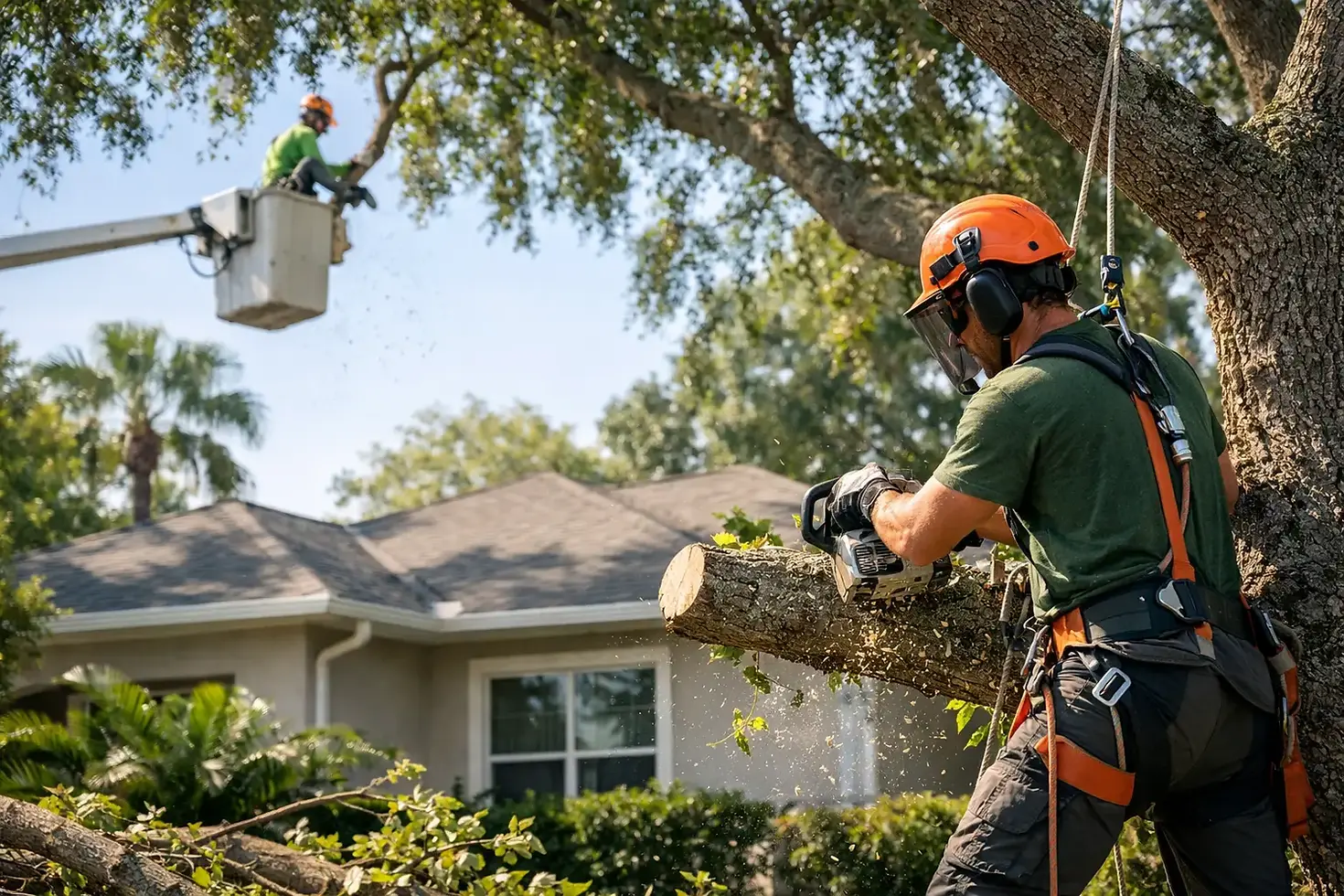
Pinellas Tree Trimming Services That Protect Homes
- Ignite Fareal
- Jul 22
- 6 min read

A low branch over a roof, a palm frond hanging above a driveway, or a dense oak canopy catching every strong wind can turn a healthy-looking yard into a property concern. Professional Pinellas tree trimming services help homeowners address those risks before they become expensive damage, while preserving the shade, privacy, and curb appeal that mature trees provide.
In Clearwater and across the Tampa Bay area, trees grow quickly and storms can arrive with little warning. Proper trimming is not simply about making a tree look neat. It is careful, selective pruning based on the tree’s species, condition, location, and structural needs. Done well, it improves safety and supports long-term tree health. Done poorly, it can leave a tree stressed, unstable, or more vulnerable to disease.
What Professional Tree Trimming Is Meant to Do
Tree trimming should have a clear purpose. For one property, that may mean removing limbs that extend over the home or interfere with a service line. For another, it may mean reducing crowded growth, clearing a driveway, or correcting branches that are rubbing together.
A trained arborist evaluates the whole tree before making a cut. That includes the branch structure, canopy density, signs of decay, nearby structures, root-zone conditions, and the likely direction of failure if a limb is compromised. The goal is to remove what creates a problem without stripping away the foliage the tree needs to produce energy and remain resilient.
Good pruning can improve air circulation and allow more light through a crowded canopy. It can also remove deadwood that may fall during heavy rain or high winds. However, more cutting is not always better. Aggressive thinning, topping, and indiscriminate cutting can trigger weak regrowth and expose the tree to stress. A professional approach balances appearance, clearance, and the biology of the tree.
When Pinellas Tree Trimming Services Are Needed
Many property owners schedule trimming when they see a branch they do not like. That is understandable, but visible appearance is only one reason to call for an assessment. The most valuable pruning often prevents a problem that has not happened yet.
Watch for dead, cracked, hanging, or broken branches, especially after a storm. Limbs that touch a roof, scrape siding, block a walkway, or hang over parking areas deserve attention. Branches growing toward power lines should also be handled with caution. Never attempt work near energized lines yourself. Utility-line clearance requires specific safety procedures and, in many cases, coordination with the utility provider.
Other warning signs are less obvious. Mushrooms near the base of a tree, peeling bark, cavities, sudden leaf loss, or branches with sparse foliage may point to decay, disease, pest activity, or root problems. Trimming may be part of the solution, but it may not be the entire solution. An arborist can determine whether the tree can be pruned safely, needs treatment, or requires removal because the structural risk is too high.
For rental properties and managed communities, routine inspections are especially useful. Trees do not wait for maintenance calendars, and a small concern can become a liability issue if it is overlooked near a sidewalk, entryway, or shared parking area.
Storm Preparation Is About Structure, Not Stripping Canopies
Florida homeowners often ask whether they should heavily cut back trees before hurricane season. The answer depends on the tree, but severe canopy removal is usually not the right strategy. Removing too much foliage can weaken the tree and encourage fast-growing shoots with poor attachment points.
A better approach is structural pruning. This may involve removing deadwood, reducing overly extended limbs, addressing weak branch unions, and selectively improving canopy balance. Work completed before storm season is safer and more controlled than emergency work after a branch has already fallen on a roof or fence.
Palms need particular care as well. Removing only dead or clearly failing fronds is generally healthier than over-pruning green fronds. A palm with a severely reduced crown may have less ability to withstand stress and recover.
What to Expect From a Qualified Tree Care Visit
Reliable tree care begins with an on-site look at the property. A proper estimate should account for tree size, access, obstacles, nearby structures, branch placement, equipment needs, and cleanup requirements. A price given without seeing the tree may not reflect the actual scope or safety demands of the work.
During the visit, ask why specific cuts are recommended and what result you should expect. Clear explanations matter. You should understand whether the service is intended to provide roof clearance, remove hazardous dead limbs, reduce end weight, improve shape, or address a health concern.
The work itself should be planned around protection of the property. That can include using the right climbing methods, rigging branches down in controlled sections, protecting turf and landscape features when possible, and keeping people out of the work zone. Modern equipment is helpful, but judgment is what determines whether equipment is used safely and appropriately.
Cleanup is also part of professional service, not an afterthought. Once trimming is complete, the crew should remove brush, rake up debris, and leave the work area in orderly condition. If wood chips or firewood are available, discuss those preferences before the job begins.
Why Certified Arborist Experience Matters
Not every person with a chainsaw is prepared to make decisions about a mature live oak, a declining pine, or a storm-damaged laurel. Tree work combines technical knowledge with physical risk. Certified arborist experience helps ensure pruning choices are based on accepted tree-care practices rather than a one-size-fits-all approach.
This matters because different species respond differently to pruning. Timing, cut placement, and the amount of canopy removed can affect future growth and resistance to pests or disease. A tree that is already stressed by drought, construction activity, compacted soil, or storm damage may need a more conservative plan.
Insurance and safety practices matter just as much. Tree limbs can be heavy, unpredictable, and difficult to control over roofs, fences, pools, and neighboring yards. Hiring a qualified, insured professional reduces the chance that a routine maintenance job turns into property damage or an injury.
Campbells Noble Tree Service LLC provides certified arborist-guided tree care with safety-focused planning, clear recommendations, and complete cleanup for property owners throughout the Tampa Bay area.
The Difference Between Pruning, Topping, and Removal
These terms are often used interchangeably, but they describe very different work. Pruning is selective removal of branches to improve safety, structure, clearance, or health. It protects the tree’s natural form whenever possible.
Topping means cutting large branches or the upper portion of a tree back to stubs or unnatural points. It may seem like a fast way to reduce height, but it often leads to weak shoots, decay, sun damage, and a more hazardous tree over time. Unless there is a very specific reason and a qualified professional recommends a reduction method, topping should be avoided.
Removal is appropriate when a tree is dead, failing, severely diseased, structurally unsound, or positioned where it presents an unacceptable risk. Removal is a last resort for a healthy tree, but delaying it can be dangerous when the evidence points to significant decline. A candid assessment should explain the trade-off, including whether targeted pruning can reasonably manage the risk or whether removal is the responsible choice.
How Often Should Trees Be Trimmed?
There is no single schedule for every yard. Young trees may benefit from regular structural pruning to develop strong branch spacing. Mature shade trees may only need periodic inspections and selective maintenance every few years. Palms, fast-growing ornamentals, and trees near buildings may need attention more often.
The right interval depends on growth rate, species, prior pruning, storm exposure, and proximity to roofs, driveways, and utilities. If a tree has not been assessed in several years, or if a major storm has passed through the area, scheduling an inspection is a sensible next step.
Homeowners can handle light ground-level cleanup and small twigs, but climbing, ladder work, and cutting overhead limbs are not DIY projects. The risks rise quickly when branches are near homes, fences, power lines, or uneven ground. Calling a professional early is usually less costly and far safer than waiting for a limb to fail.
A well-maintained tree should look natural, not severely cut back. If you are concerned about a branch, storm exposure, or the overall condition of a tree on your property, a careful on-site assessment can provide the clarity needed to make a safe decision before the next weather event does it for you.


Comments