


Tree Branches Over Roof Problems and Safe Fixes
- Ignite Fareal
- Jul 26
- 5 min read

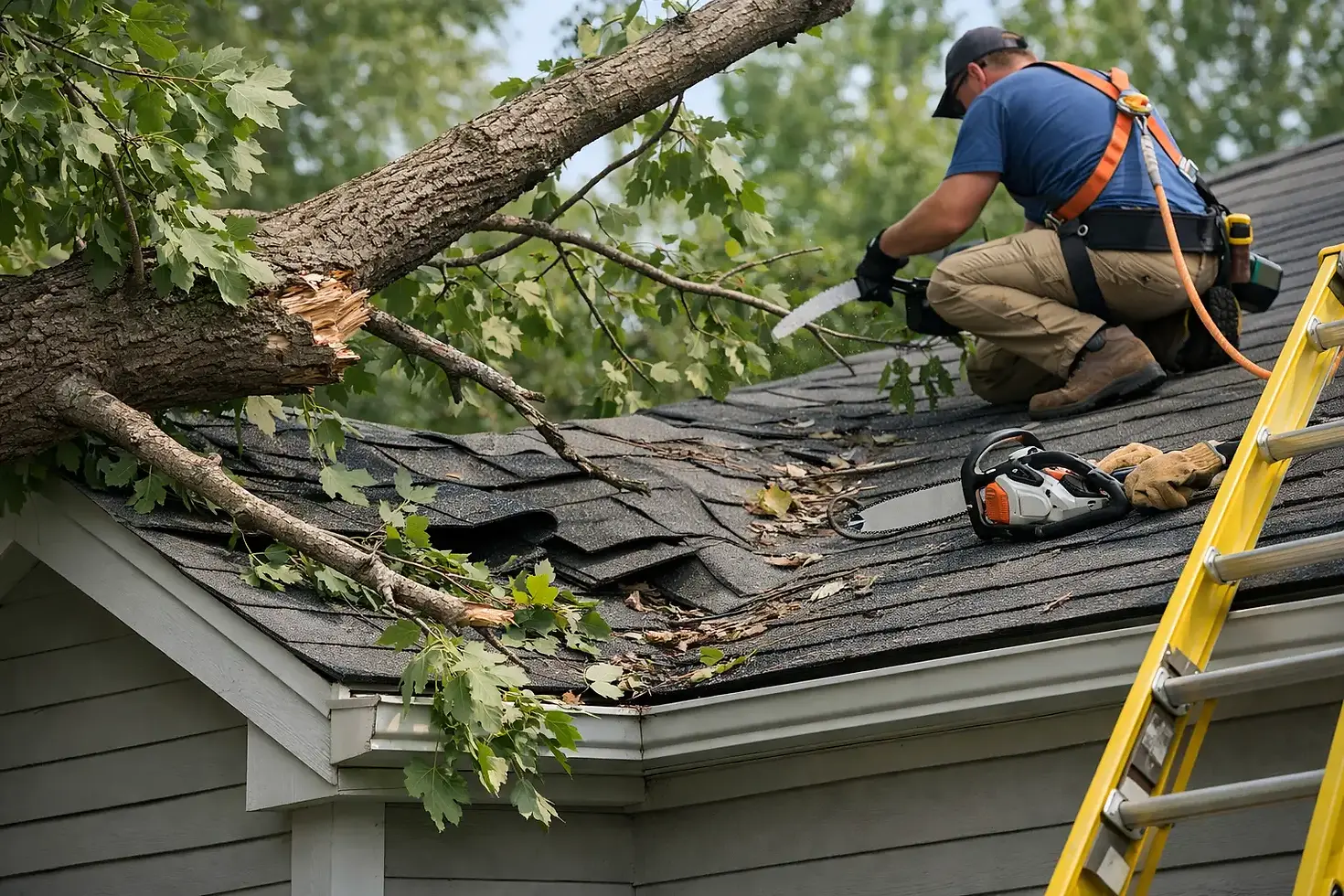
A limb brushing a roof may seem harmless on a calm afternoon. After a Clearwater downpour or a tropical storm, that same limb can scrape shingles, block gutters, or break without warning. Tree branches over roof problems are often gradual at first, which makes them easy to put off until damage, leaks, or an urgent safety concern appears.
The right response is not automatically removing every branch near the house. Healthy, properly spaced limbs can provide welcome shade and help protect a home from intense Florida sun. The goal is to create dependable clearance while preserving the tree's structure, health, and natural appearance.
Why Tree Branches Over Roof Problems Get Worse
Branches directly over a roof create more than a falling-limb risk. Even small twigs moving repeatedly in the wind can wear away shingle granules, damage roof coatings, or scratch gutters and fascia. The damage may be hard to see from the ground, but the repeated friction adds up.
Leaf litter, seed pods, and Spanish moss can also collect in valleys and gutters. When water cannot drain as intended, it can back up beneath roofing materials or spill over the gutter edge near the foundation. In Tampa Bay's humid climate, trapped debris also holds moisture against the roof, creating conditions that encourage algae, mildew, and faster material deterioration.
Overhanging branches can become a route for squirrels, rats, insects, and other pests to access the roofline or attic. A branch does not need to touch the roof to create an issue. If it is close enough for an animal to cross, it can turn a minor landscaping concern into a pest-control problem.
Storm season raises the stakes. A healthy limb can fail when saturated ground, strong wind, decay, or a weak attachment point changes the load on the tree. Dead wood is particularly unpredictable, but green limbs are not automatically safe. Heavy branches with cracks, cavities, or poor unions deserve a professional assessment before the next severe-weather forecast.
Signs a Branch Needs Attention Now
A little clearance is helpful, but condition matters just as much as distance. A branch several feet from the roof may still be hazardous if it is dead, split, hanging, or supported by a weak connection. Likewise, a sound branch that lightly shades the home may only need selective pruning.
Watch for visible cracking, bark separating at the branch union, mushrooms or decay around the trunk, and limbs that have suddenly dropped lower. Leaves that are sparse or discolored on one section of an otherwise healthy tree can also signal a problem. After a storm, look for newly exposed wood, hanging branches, or limbs caught in the canopy.
Do not attempt to inspect questionable branches by climbing onto the roof or using a ladder near the tree. Wet shingles, unstable ground, and falling debris make this one of the most dangerous homeowner projects. If a limb is near a power line, treat it as an immediate no-touch situation and contact the utility provider or a qualified tree professional.
How Much Clearance Should a Roof Have?
There is no single measurement that fits every property. The right clearance depends on the tree species, growth rate, roof design, branch size, and local wind exposure. Fast-growing trees may need more room and more frequent maintenance than slow-growing, well-structured trees.
As a practical standard, branches should not rest on or repeatedly strike the roof, gutters, chimney, or siding. A certified arborist can recommend an appropriate buffer that allows for normal movement in wind and future growth. This is more useful than making a single hard cut based only on what touches the house today.
Clearance should also be planned around the whole roofline. A limb over a low garage roof may be easy to manage, while a large limb extending above a second-story roof requires careful rigging, safe access, and a clear understanding of how the wood will move during removal. The bigger the branch and the tighter the drop zone, the less suitable the work is for a do-it-yourself approach.
Pruning Is Usually Better Than Topping
When branches need to be shortened, proper pruning makes cuts back to suitable lateral branches or removes selected limbs at their point of origin. This reduces weight and extends clearance without leaving unsightly stubs.
Topping, which means cutting large branches back abruptly, is not a solution for roof clearance. It can stress the tree, leave large wounds, and prompt weak, fast-growing shoots that return to the roofline even sooner. It may also reduce a tree's ability to handle wind over time.
A thoughtful pruning plan can address the roof while maintaining the tree's canopy balance. That matters in Florida, where excessive thinning or poor cuts can expose bark and lower limbs to harsh sun and create long-term health issues.
When Trimming Is Not Enough
Some trees cannot be made safe through pruning alone. A tree may need removal when it has widespread decay, a failing root system, severe structural defects, or a lean that places a major part of the canopy over the home. Repeated branch failures are another warning that the underlying structure needs a closer look.
Removal is a serious decision, especially for a mature tree that provides shade and value to the property. A professional evaluation should weigh the tree's health, likelihood of failure, target below it, and available corrective options. In some cases, selective pruning, cabling, or monitoring may be appropriate. In others, removal is the responsible way to protect people and property.
Emergency service is warranted when a branch has already fallen on the roof, is suspended above it, has damaged the structure, or is creating an immediate hazard. Keep people away from the area, avoid moving broken limbs yourself, and document visible damage for your insurance records when it is safe to do so. If power lines are involved, contact the utility company first.
A Safer Plan for Ongoing Roof Protection
Roof clearance works best as part of routine tree care rather than a last-minute response. Have mature trees inspected periodically, especially after major storms and before peak hurricane season. An ISA-certified arborist can identify dead wood, decay, crossing limbs, poor branch attachments, and growth patterns that may threaten the home later.
Homeowners should also keep gutters clean and look for roof debris after windy weather. These simple observations can reveal a developing issue early. If you see fresh scuff marks, piles of leaves in one roof valley, or a branch that has shifted closer to the house, schedule an assessment before the problem grows.
For landlords and property managers, documented inspections and timely pruning can also help reduce avoidable liability. Tenants may notice scraping sounds or clogged gutters before an owner sees them, so encourage them to report changes promptly. A planned service visit is typically safer and less disruptive than emergency work after a failure.
Campbells Noble Tree Service LLC provides professional assessments, precision trimming, safe removal, and complete cleanup for property owners throughout the Tampa Bay area. The focus is not simply cutting branches back. It is making informed recommendations that protect the roof, support the tree where possible, and leave the property clean and secure.
A roof should not be your tree's support system or its regular landing place during high wind. Addressing close or compromised limbs early gives you more options, better results, and greater peace of mind when the weather turns.


Comments